
Hey there, heart health enthusiasts! Today, we’re diving deep into the intricate world of heart disease – a topic that hits close to home for many of us. But fret not; this isn’t a doom-and-gloom tale. Instead, think of it as your guide to understanding, preventing, and embracing a heart-healthy lifestyle. So, grab a seat, maybe a heart-healthy snack, and let’s unravel the mysteries of the beating powerhouse within us.
The Heart’s Symphony
First things first, let’s talk about this incredible organ that keeps us ticking – the heart. Picture it as the maestro orchestrating a symphony within your body. It pumps blood, nutrients, and oxygen, ensuring every part of you gets what it needs to function optimally. Now, let’s explore what happens when this symphony faces a hiccup.
Understanding Heart Disease
Heart disease, or cardiovascular disease, isn’t a single malady; it’s an umbrella term encompassing various conditions affecting the heart and blood vessels. From coronary artery disease to heart failure, it’s a spectrum that demands our attention. So, why the buzz about heart disease? Well, it’s a leading cause of worldwide mortality, but the good news is, it’s often preventable.
The Culprits Behind Heart Disease
Now, let’s shine a light on the usual suspects – the factors that can sneakily contribute to heart disease.
- High blood pressure
- Elevated cholesterol levels
- Smoking
- Diabetes
- Sedentary lifestyle
Understanding their role is the first step in curbing their influence on your heart’s well-being.
Breaking Down the Myths
Before we plunge further, let’s debunk a few myths. Heart disease isn’t just an issue for the elderly; it can strike at any age. It’s not reserved for those with a family history either – lifestyle choices play a significant role. Think of it as a wake-up call to cultivate heart-healthy habits, regardless of your genetic deck of cards.
Spotting the Warning Signs
How do you know if your heart is trying to send an S.O.S.? Chest pain isn’t the only indicator. Shortness of breath, fatigue, dizziness, and even jaw pain can be subtle signs. Understanding these signals is like having a secret code to decipher your heart’s messages.
Prevention: Your Heart’s Best Friend
Now, the juicy part – how to be your heart’s superhero. Spoiler alert: It’s not rocket science. Adopting a heart-healthy diet, staying physically active, managing stress, and saying no to smoking are your weapons of choice. It’s about making simple, sustainable changes that your heart will thank you for in the long run.
Exercise: Your Heart’s Happy Dance
Speaking of superheroes, let’s talk about exercise. It’s not about becoming a gym rat; it’s about finding your heart’s happy dance. Brisk walks, cycling, or even a bit of dancing – whatever gets your heart pumping and your spirits soaring.
Fueling Your Heart
Your heart deserves the best fuel. Say hello to a diet rich in fruits, vegetables, lean proteins, and whole grains. It’s not about deprivation; it’s about making choices that nourish your heart while still savoring the pleasures of eating.
Remember, your heart is a resilient warrior that deserves your love and attention. By understanding the risks, adopting heart-healthy habits, and staying vigilant for warning signs, you’re not just preventing heart disease – you’re fostering a lifelong partnership with your most vital organ.
Disclaimer:
The information on this website is provided for educational and information purposes only and is not medical advice. Always consult with a licensed medical provider and follow their recommendations regardless of what you read on this website. If you think you are having a medical emergency, dial 911 or go to the nearest emergency room. Links to other third-party websites are provided for your convenience only. If you decide to access any of the third-party websites, you do so entirely at your own risk and subject to the terms of use for those websites. Neither 360 Chronic Care Management, nor any contributor to this website, makes any representation, express or implied, regarding the information provided on this website or any information you may access on a third-party website using a link. Use of this website does not establish a doctor-patient relationship. If you would like to request an appointment with a health care provider, please call our office at 803-962-9331.
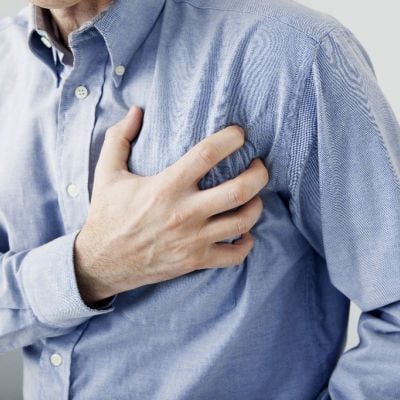
We’ve all heard the dreaded names heart attack and heart failure. So what sets these two frightening conditions apart?
Heart Attack
A heart attack, also known as a myocardial infarction, occurs when a blood clot develops at the site of plaque in a coronary artery, suddenly cutting off most or all blood supply to that part of the heart muscle. If the blood supply is not restored quickly, the heart muscle will begin to die due to a lack of oxygen. This can cause permanent damage to the heart, and, in the worst cases, death.
Heart attacks should not be confused with heart failure. Heart failure is typically a chronic, long-standing condition, while heart attacks generally come on suddenly.
Know the Symptoms
Symptoms of a heart attack can vary from person to person. If you think you may be having a heart attack, seek medical help and call 911 immediately.
The National Heart Attack Alert Program notes these major symptoms of a heart attack:
- Tightness and discomfort in the chest area. Most heart attacks cause pain in the center of the chest, lasting for more than a few minutes. Discomfort may subside for a minutes and then return. The sensation is an uncomfortable pressure, a feeling of swelling, fullness, or a painful squeezing.
- Pain or discomfort in other areas of the body, including one or both arms, the back, neck, jaw or stomach.
- Shortness of breath. This symptom may occur before any feeling of discomfort arises in the chest, but most often accompanies it.
- Sweating and nausea. Breaking out in a cold sweat and feeling nauseated or lightheaded are also common symptoms of a heart attack.
To improve your heart health and prevent a heart attack, maintain a healthy weight, exercise, quit smoking, eat a healthy diet, manage blood pressure and cholesterol, and visit your doctor or cardiac specialist for regular medical checkups.
Heart Failure
Heart failure (congestive heart failure) occurs when the heart fails to pump enough blood to maintain the needs of the body. A highly common condition, it affects an estimated 5 million people in the United States each year.
The best way to prevent heart failure is to manage risk factors that lead to it, such as high blood pressure, high cholesterol, coronary artery disease, obesity, and diabetes. Lifestyle changes, medication, and surgery can all relieve and improve symptoms.
Heart failure is a serious condition, but when the symptoms are managed with proper treatment, patients with heart failure can lead a normal, active life.
Getting Help
While heart failure can be less dramatic than a heart attack, it can also be just as lethal. If you suspect you or a loved one may be suffering from either heart failure or a heart attack, seek medical care immediately.
Disclaimer:
The information on this website is provided for educational and information purposes only and is not medical advice. Always consult with a licensed medical provider and follow their recommendations regardless of what you read on this website. If you think you are having a medical emergency, dial 911 or go to the nearest emergency room. Links to other third-party websites are provided for your convenience only. If you decide to access any of the third-party websites, you do so entirely at your own risk and subject to the terms of use for those websites. Neither 360 Chronic Care Management, nor any contributor to this website, makes any representation, express or implied, regarding the information provided on this website or any information you may access on a third-party website using a link. Use of this website does not establish a doctor-patient relationship. If you would like to request an appointment with a health care provider, please call our office at 803-962-9331.